 |
 |
Spanish Word of the Day
| September 3rd, 2013 at 6:51:51 AM permalink | |
| Pacomartin Member since: Oct 24, 2012 Threads: 1068 Posts: 12569 |
I'm sorry, I must have botched up my notes. The singular is nuez. The DRAE says that the term nuez is used for walnuts, and for other nuts with a similar "pericarp". Since I was unfamiliar with the term "pericarp" I am posting the following image.  The phrase "nuez póntica" or avellana specifically means "hazelnut". The word "nuez" can be mixed with other modifiers like "nuez encarcelada" which is also known in Mexico as "pacana" or "pecan" "Nueces surtidas " or "surtido de nueces" is a term for "mixed nuts". The English word "nut" has a double origin, from both Old English and reinforced by the Latin word that is the ancestor of Spanish "nuez". The idea of "nut" as in "nutty professor" is relatively recent only showing up in writing in 1903. |
| September 3rd, 2013 at 7:06:43 AM permalink | |
| Nareed Member since: Oct 24, 2012 Threads: 346 Posts: 12545 |
I don't say this ofte: LOL! BTW look up the Rio Nueces. You'll be surprised.
What exactly is a walnut? Anyway, "nueces" is a general term for nuts, when speaking of oleaginous fruits, not when referring offensivley to someone's mental state. But there are differences. Peanuts are not considered nuts in Spanish, which is something very important to remember when travelling (in particualr if you have a peanut allergy). There are numerous terms for specific nuts, but I'm largely ignorant of their English equivalents in many cases. As far as I know, these will work: Cashew = nuez de la India Pecan = Nuez Brazil nut = nuez de Brasil Almond = almendra (these screams "Arabic derivation" to me) There's a similar problem with berries. There's no generic term for berries in Spanish. Donald Trump is a one-term LOSER |
| September 3rd, 2013 at 7:33:27 AM permalink | |
| Pacomartin Member since: Oct 24, 2012 Threads: 1068 Posts: 12569 |
Your English is better than mine. I had to look up the word "oleaginous". The word "wealh" means "foreign" in Germanic languages, so a "walnut" literally means "foreign nut". Peaches, pears, nectarines, plums and cherries are eaten regularly so we are used to seeing the "stone" nut inside. 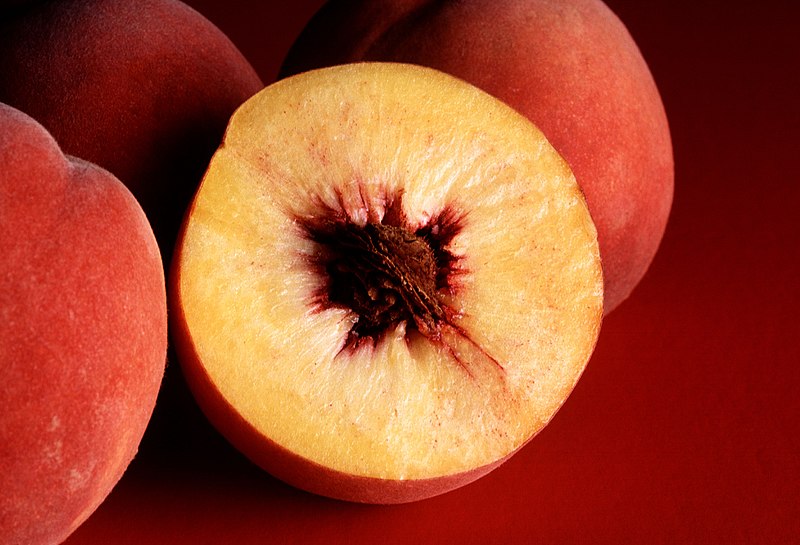 The juglan fruit is either not edible or simply not very good. I've never had one. So most people are used to seeing walnuts in bags, and would not recognize the fruit. By definition a walnut is the seed of the juglan fruit.  |
| September 3rd, 2013 at 7:48:05 AM permalink | |
| Nareed Member since: Oct 24, 2012 Threads: 346 Posts: 12545 |
Thank you :) Back in highschool biology nuts and peanuts were classified as "dry fruits." But these days the term is apt to be mistaken for things like dried or dehydrated fruit, like banana chips. Anyway, that kind of nut is common, and expensive, not to mention very laborious to eat. Aside from craking them, you have to peel off the thin, thin, thin membrane around the meat. The membrane is very bitter. One of my dogs was crazy for them. You know how much I loved her that I was willing to patiently crack and peel nuts for her, from time to time. Anyway, I've no idea what that particular nut is called in Spanish. As far as I know, it's just "nuez." I want to say "Nuez de Castilla," but I think that's the pecan. Donald Trump is a one-term LOSER |
| September 3rd, 2013 at 8:21:59 AM permalink | |
| Wizard Administrator Member since: Oct 23, 2012 Threads: 241 Posts: 6108 | Is a coconut considered a nut in Spanish? It commonly incorrectly considered a nut in English. In fact, it is a drupe. Getting back to Doña Pepa, Lupe had never heard of her. Knowledge is Good -- Emil Faber |
| September 3rd, 2013 at 9:36:13 AM permalink | |
| Pacomartin Member since: Oct 24, 2012 Threads: 1068 Posts: 12569 |
Almonds are drupes also. I think people think of them as nuts as well. It is Peruvian candy. I thought Lupe was Mexican. |
| September 3rd, 2013 at 9:40:48 AM permalink | |
| Wizard Administrator Member since: Oct 23, 2012 Threads: 241 Posts: 6108 |
Yes, I know that, but I thought Doña Pepa was also a character in many Latin-American stories, like Ratoncito Perez. My friend in Costa Rica dismissed my question hastily saying she had no idea who she was except that she thought Doña Pepa was a character from Mexican folklore. That is why I thought Lupe might know. Knowledge is Good -- Emil Faber |
| September 3rd, 2013 at 11:19:34 AM permalink | |
| Pacomartin Member since: Oct 24, 2012 Threads: 1068 Posts: 12569 | I can't find any reference to a character on the web. Always pictures of a dark woman.  |
| September 3rd, 2013 at 4:22:10 PM permalink | |
| Wizard Administrator Member since: Oct 23, 2012 Threads: 241 Posts: 6108 | There is a city in Spain called Doña Pepa. Judging by this site, it is a beach-side area with lots of mansions. Here is a guide on things to do there (not much). In other news, I finally got a license plate from Nicaragua. These are very tough to get. The socialist countries always are. The question for the forum is what is particular about the cars or divers of cars with particular license plates? 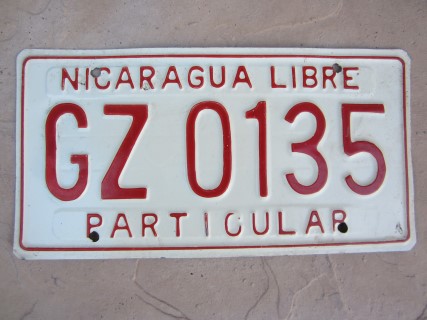  Knowledge is Good -- Emil Faber |
| September 4th, 2013 at 7:28:19 AM permalink | |
| Nareed Member since: Oct 24, 2012 Threads: 346 Posts: 12545 |
It means the car is amde up of particles ;) Seriously. In Mexico license plates are classified by the vehicle's use. Thus a car you own to move around in is called "auto particular." A delivery vehicle is classed as commercial and has diferent plates. Ditto cabs. Mass transit vehicles have their own plates. Ambulances and police cars have no real plates, just a vehicle number. There are also diplomatic plates. Donald Trump is a one-term LOSER |