 |
 |
Spanish Word of the Day
| June 15th, 2013 at 8:30:36 AM permalink | |
| Nareed Member since: Oct 24, 2012 Threads: 346 Posts: 12545 | No clue. It sounds like South American slang. Oh, it depends on context, but likely "tío" means "guy" or "person" rather than "uncle." Donald Trump is a one-term LOSER |
| June 15th, 2013 at 12:55:42 PM permalink | |
| Pacomartin Member since: Oct 24, 2012 Threads: 1068 Posts: 12569 |
I think it means something equivalent to "Doesn't Lockhart have the biggest brass ones, that you've ever seen in your life? It's consistent with his character in the book and movies, as he was extremely vain and self assured. Presumably it is a European idiomnatic expression. It may be translating a British idiom to begin with. Do you have the Harry Potter book in English? What was the original quote? Urban Dictionary: "Tio" Spain, slang for friend, mate, or buddy. "Que pasa tio!" I think this phrase is equivalent "He who has the biggest balls, gets the ball" 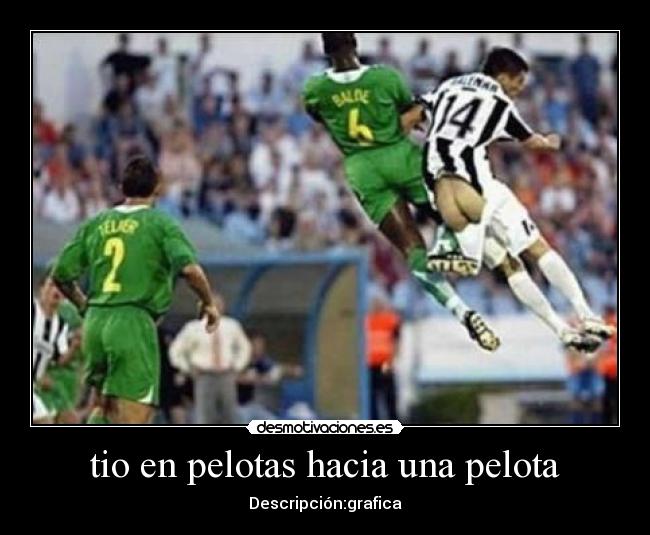 |
| June 15th, 2013 at 2:15:55 PM permalink | |
| Wizard Administrator Member since: Oct 23, 2012 Threads: 241 Posts: 6108 |
The English says, "Is Lockhart the smarmiest bloke you've ever met, or what?" -- Chamber of Secrets pg. 228, paperback. I had to look up smarmy in the dictionary. It said "excessively or unctuously flattering, ingratiating, servile," It seems ones of those words they say in the U.K. a lot, but almost never here. Knowledge is Good -- Emil Faber |
| June 15th, 2013 at 2:43:17 PM permalink | |
| Pacomartin Member since: Oct 24, 2012 Threads: 1068 Posts: 12569 |
Well Google translate uses "el tío" for "bloke" . Word Reference translates cobista as smarmy, greasy or as a noun: a bootlicker or a toady. I think the translator took some liberties here. Rather than go for a literal translation, he chose another phrase. I get the impression that the phrase in Spanish means a kind of macho, but in a repulsive sort of way. Like Bluto impersonating a zit being popped in Animal House. 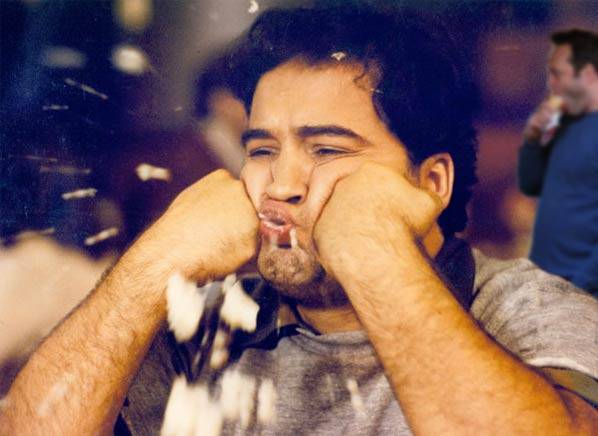 |
| June 15th, 2013 at 4:34:13 PM permalink | |
| Wizard Administrator Member since: Oct 23, 2012 Threads: 241 Posts: 6108 | Fecha: 15-6-13 Palabra: Arpa Today's SWD means harp. It makes me wonder what happened to the H. Also, what does the root arp mean, common to both the English and Spanish words for harp. Also, it is el arpa. Why isn't it la arpa? Ejemplo time. Dejé mi arpa en la discoteca de Sam Almeja. = I left my harp in Sam Clam's disco. Knowledge is Good -- Emil Faber |
| June 15th, 2013 at 8:19:19 PM permalink | |
| Pacomartin Member since: Oct 24, 2012 Threads: 1068 Posts: 12569 |
Sometimes Masculine, Sometimes Feminine=Some Nouns Are of Ambiguous Gender Etymogically, it is one of those rare words that went from Germanic to Latin between the years 200 and 600. So the English words is from Old English's ancestor, but the Spanish word comes from the same source. These words are pretty rare. Possibly the source explains the puzzling gender. It is masculine in the singular, but feminine in plural and if an adjective is also used.  |
| June 15th, 2013 at 8:40:10 PM permalink | |
| Nareed Member since: Oct 24, 2012 Threads: 346 Posts: 12545 |
We've been through this, I'm sure. You do not use "la" for words starting with an "a" in Spanish. Therefore El arpa, El agua, etc. In plural you do use "las" for feminine nouns: las arpaS, las aguaS, etc. Donald Trump is a one-term LOSER |
| June 15th, 2013 at 8:42:45 PM permalink | |
| Wizard Administrator Member since: Oct 23, 2012 Threads: 241 Posts: 6108 |
Geez. I see you're right that one harp is masculine, but two or more are feminine. When I put in "the red harp" into Reverso I got el arpa roja. I'm not sure if that is masculine or feminine because the article is masculine, but the adjective and noun are feminine. If the Academia Real is monitoring this thread ... WTF? Why does it have to be so hard an illogical? On a lighter subject, I like how they managed to rhyme this poem/song in Harry Potter
Knowledge is Good -- Emil Faber |
| June 15th, 2013 at 10:23:44 PM permalink | |
| Pacomartin Member since: Oct 24, 2012 Threads: 1068 Posts: 12569 |
As I understand the rule, the noun must begin with an 'a', and the 'a' must also be stressed (which it frequently is). Wizard Sorry, about not shortening the rule. The noun must have an adjective, and the adjective is in-between the article and the noun. At this point you revert to 'la'. In most cases the adjective is placed after the noun. Reference Spanish Adjective Can Come Before or After the Noun, Depending on Its Purpose As to your plea to the grammar gods, some of these rules may have arisen just because things sounded funny. But french just drops the first a as in l'atelier when faced with the same problem. |
| June 23rd, 2013 at 3:11:37 PM permalink | |
| Pacomartin Member since: Oct 24, 2012 Threads: 1068 Posts: 12569 | I saw this sentence on a forum. Como un bromista, le sugiero que se comunique con el soporte técnico y obtener un número de caso. The phrase "Como un bromista" does not seem to mean what the dictionary says it mean. A "bromista" is a little joke. But the writer seems to be using it in a different sense. From the context, it sounds more like "to get the ball rolling", or a similar idiom. The latter part of the sentence is not funny at all. "I suggest that you communicate with technical support and obtain a case number." Is this a Mexican idiom? |